…more artistic musings
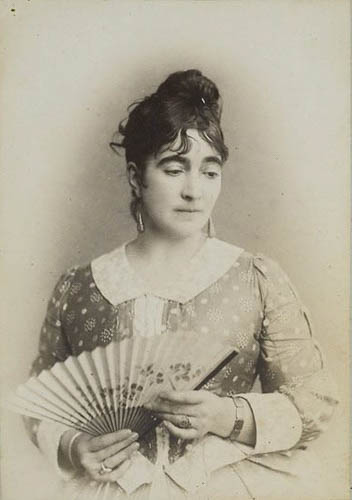
Currently, there is a movement to recognize female IMPRESSIONISTS’ that have been unacknowledged. One such artist I came across quite by accident is MARIE OUIVORON.
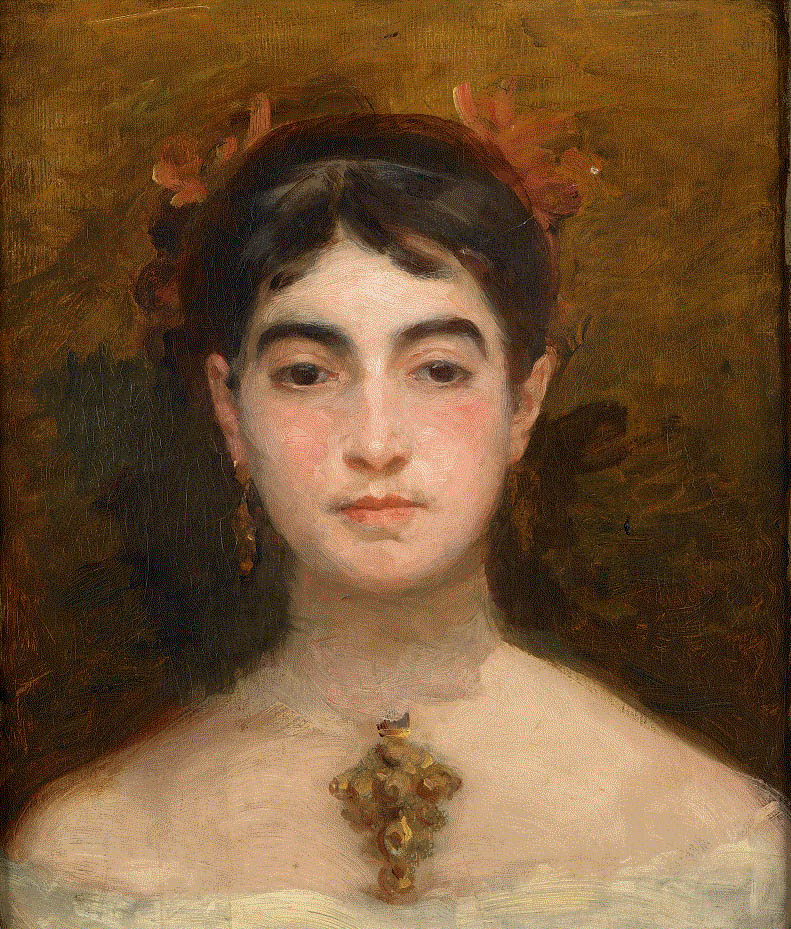
Self-portrait 1870
MARIE WAS BORN in Brittany 1840 under extreme hardship. Not as socially or financially positioned as MARY CASSATT (1844-1926) or BERTH MORISOT (1841-1895). Because of this, she was forced to be mostly self-taught, creating her first painting with pigments made from flowers out of her garden.
A family portrait painted in 1857, her first exhibition submission to the exclusive PARIS SALON, was extremely well received and by 1859 she was painting professionally. After seeing Marie’s work, the Neoclassical painter Jean-Auguste-Dominque INGRES (1780-1867) invited her to his studio for limited instruction.
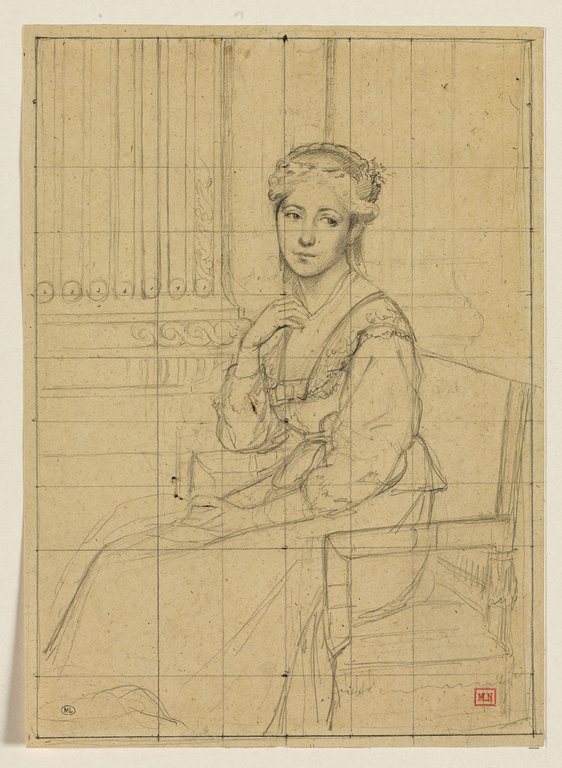
Portrait of Artist’s Sister 1860
As she progressed with her artistic development, Marie was asked by the Director General of French Museums to create copies of Old Master’s work that were exhibited at the Louvre. It was while she was sketching at the museum she met her future husband Felix Bracquemond.
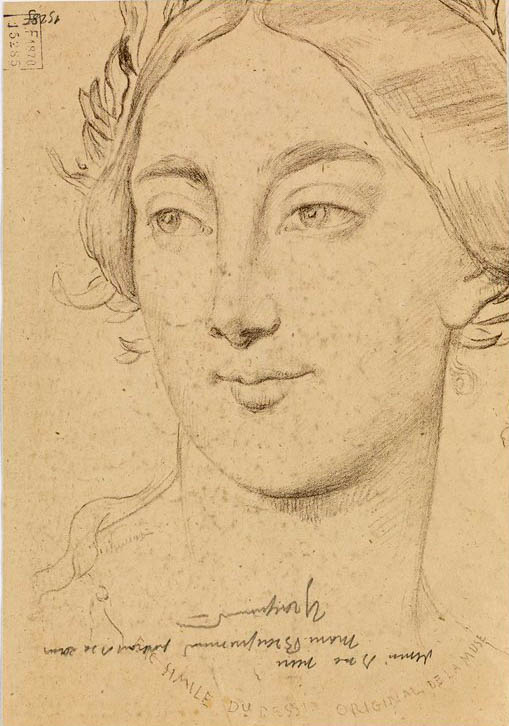
Head of a Muse 1860
Felix Bracquemond was a successful popular engraver and close friend of the young IMPRESSIONISTS. Thru Felix, Marie met Gaugin, Monet and Degas. Soon, after meeting these artists and to her husband’s strong disapproval, her art soon began to reflect the young movements ideals. Among his friends Felix was known for having a winning personality. But, Marie soon discovered his overbearing sense of authority in addition to being completely inflexible regarding his opinions on how art should or would be created. Strongly believing in the long established traditional ways a painting was to be executed. Even how the paint was to be applied to the canvas.
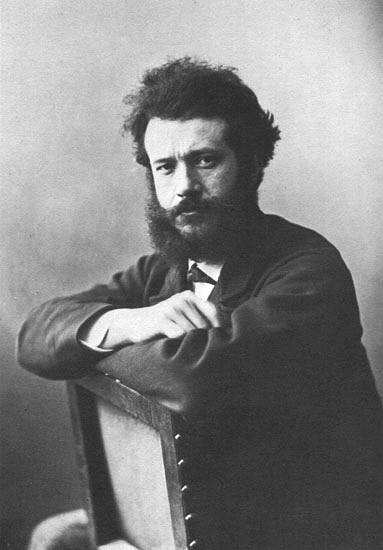
Felix Braequemond 1865
ENGRAVING involves an organized distribution of black and white values. Felix was successful in business as an established technician giving him early financial security. Thereby inclusion into the then popular artists soiree. Because of the very nature of this process Felix strongly believed that Art had to be done in the studio as a means of achieving perfection with the supremacy of a rendering that is completed in black and white. In strong contrast to the creating of work in the new painting style, IMPRESSIONISM.
THE THEORY BEHIND IMPRESSIONISM went completely against the centuries old long accepted traditional techniques of creating art. Painting in Plein-air, using bright pigments, and rendering every day subject matter defined the new movements platform. This style was quickly embraced by Marie after meeting Gaugin and being taught by the artist how to prepare her canvas’ so that she could create the intense values she was struggling to achieve. However, this new way of approaching art was met with extreme opposition by Felix.
in 1874, Marie along with Mary Cassatt and Berthe Morisot were the only women taking part in the first IMPRESSIONIST EXHIBITION. This was the first of several times she exhibited with the independent artists, contributing in the fourth (1879), fifth (1880), and the eighth (1889) the last show. Eva Gonzales, another less known female artist, would be included in later exhibitions.
BECAUSE Marie defied her husband’s authority regarding the IMPRESSIONISTS’ style he refused to show her paintings. According to their son Pierre, “…Felix seldom showed her work to their friends…when he did eventually compliment her, it would be in private…” Felix would often rant against the IMPRESSIONISM style and try to convince his wife that her ambition was, to quote her son, “incurable vanity”. Often telling her that the art she was creating would never be accepted or valued. Felix firmly believed that ENGRAVING was a true art form unlike paintings being created by the “rebels” who went against tradition.
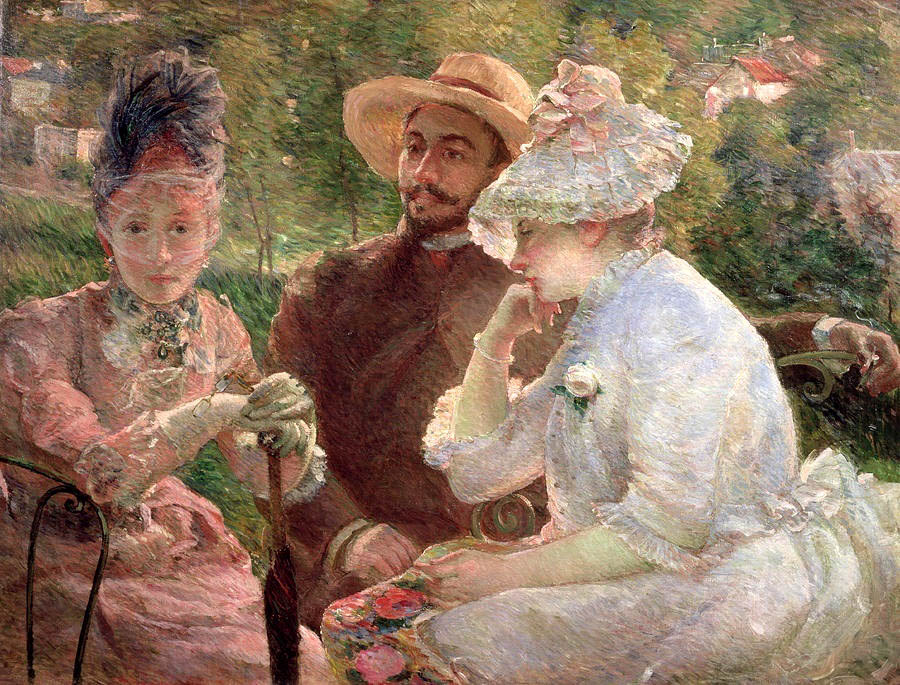
On the Terrace at Sevres 1880, Marie Bracquemond
AS HER TALENT GREW and Marie gained recognition as an accomplished artist. So did the anger of her husband as he would only provide abusive opinions of wife’s growing portfolio of work. According to Pierre, his father would hide his mother’s paintings from their guests, forbidding Marie from showing her work publicly.
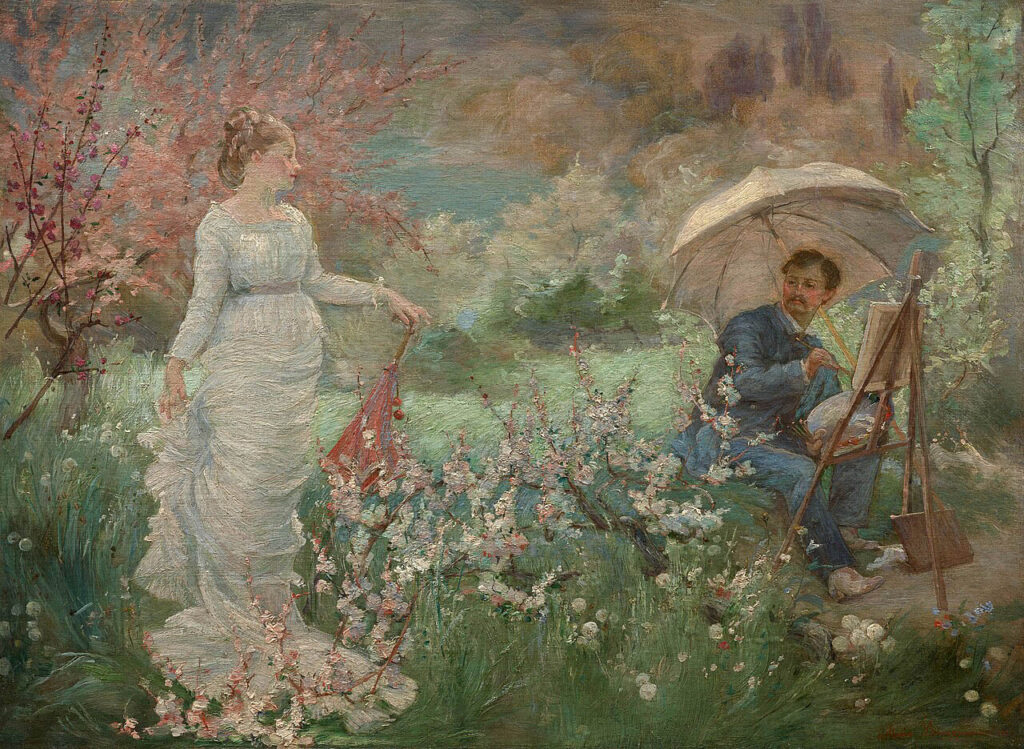
Study from Nature 1880, Marie Bracquemond
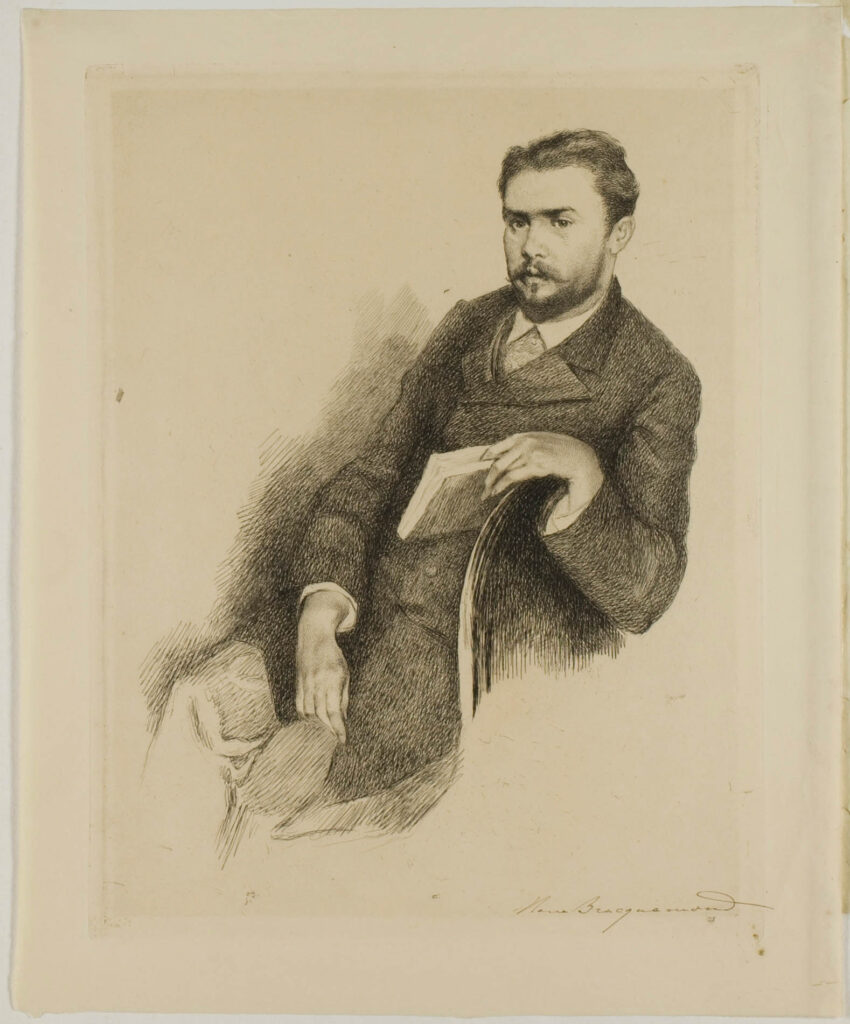
Portrait de Gustave Geffroy ~ Art Institute of Chicago
The IMPRESSIONISTS Exhibition in 1886 was Marie’s last. The artist submitted examples of work using her earlier painting techniques and not any incorporating Gaugin’s influence. None of these earlier painting techniques embraced the color palette or style of the new movement in art that was gaining popularity. Therefore, these early paintings totally dismissed the the IMPRESSIONISTS’ style. Making it apparent to all that she had finally submitted to Felix’s demands on how art should be rendered.
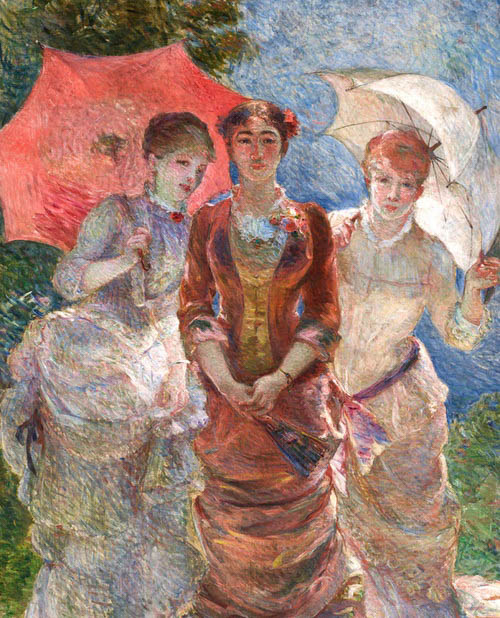
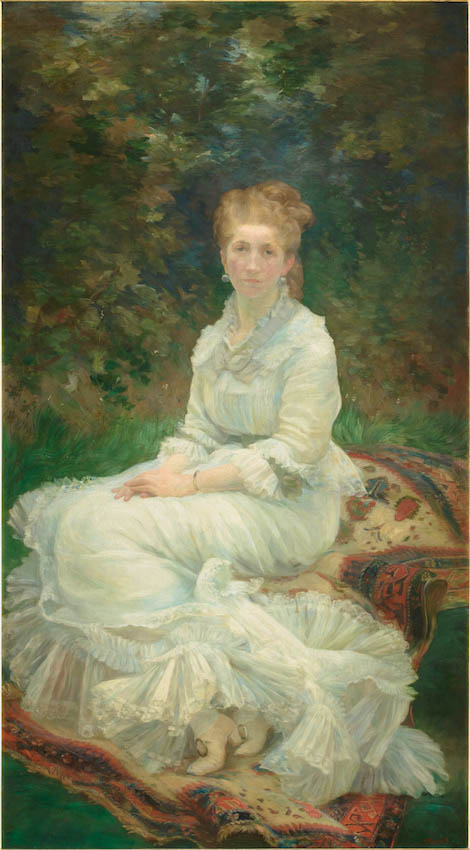
Three Women with Parasols 1880 (right) ~ The Lady in White 1880, Marie Bracquemond (left)
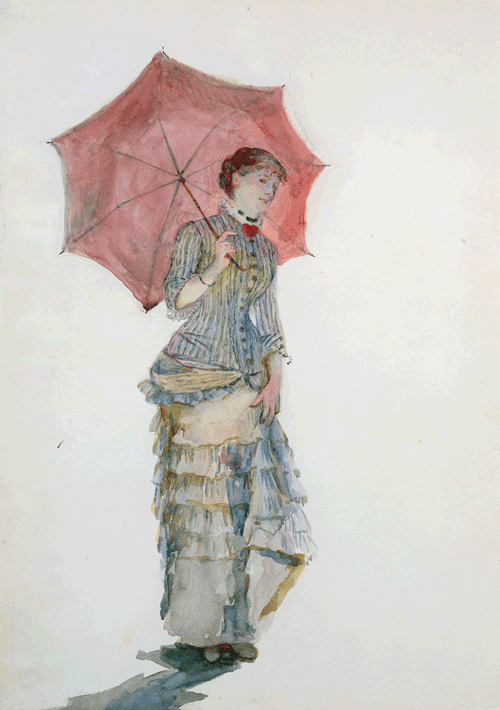
Woman with an Umbrella 1880, Watercolor
“…she bears his clear dominance with a kind of fear…” wrote her son Pierre in his unpublished work.

Portrait de Pierre Bracquemond ~ Le Petit malade
Completely frustrated by the IMPRESSIONISTS‘ way of representing painted imagery along with their increasing popularity, Felix rejected Parisian life style altogether. He decided to retire and live in isolation while insisting that his wife submit to his wishes and become isolated as well.
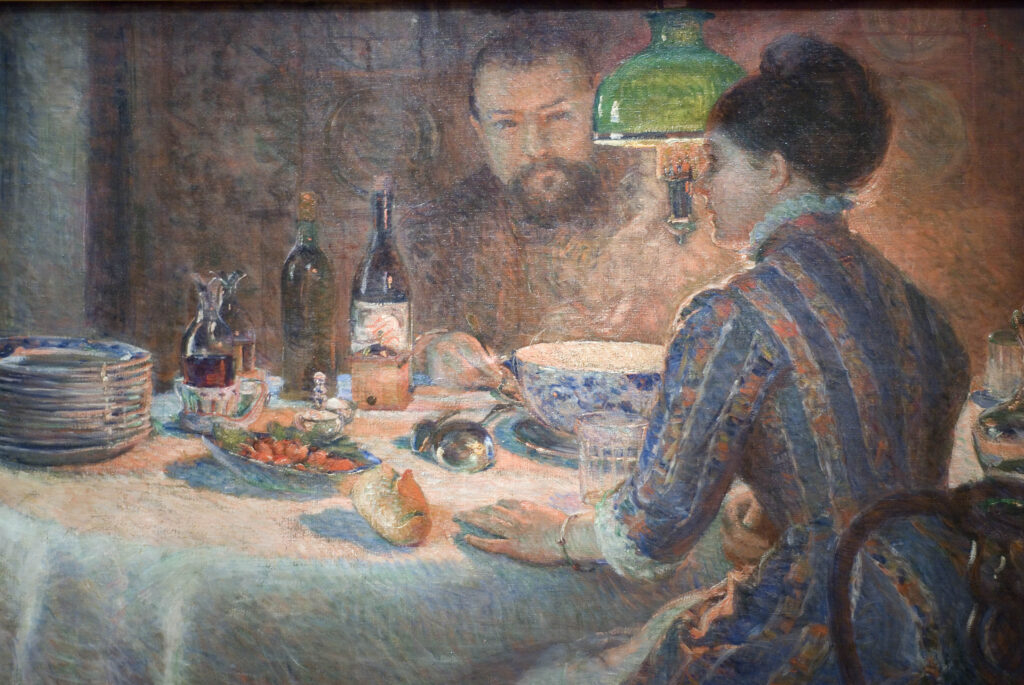
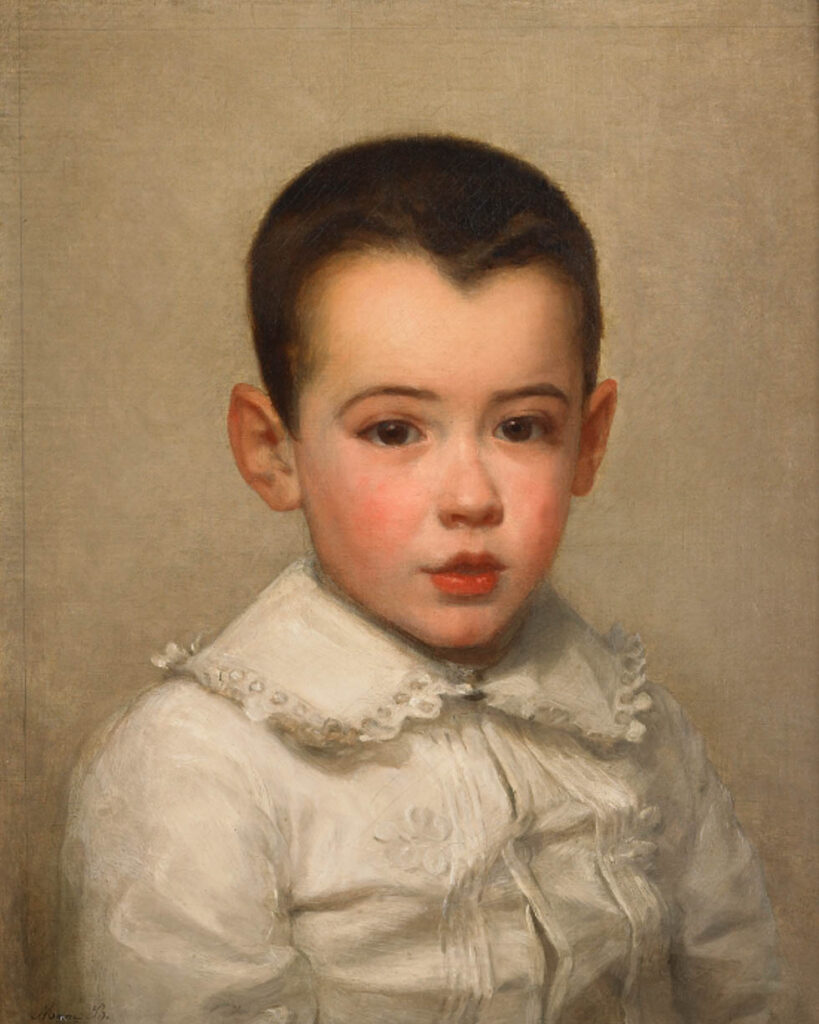
Under the Lamp 1887 (right) ~ Pierre Bracquemond as a enfant 1878, Marie Bracquem (left)
By 1890 Marie decided no longer to exhibit professionally and at her husbands insistence gave up painting almost altogether. She seldom practiced her craft but when Marie did she painted the flowers from her yard or close family members. And, on the rare occasion when she did paint Felix refused access to his completely furnished studio. Thus, forcing his wife to store the art supplies in her bedroom.
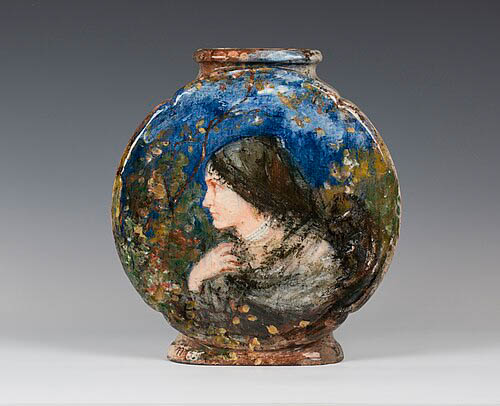
Haviland & Co. Limoges Ceramique Impressioniste Barotine French Pottery Vase 1880
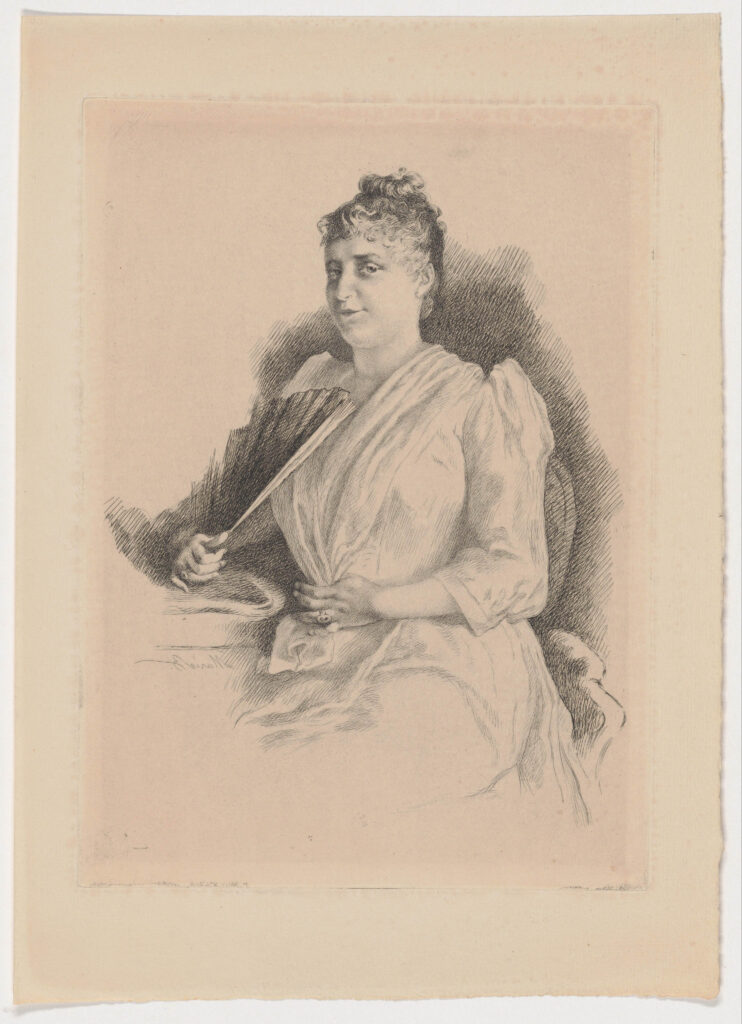
Self-Portrait de Marie Bracquemond 1888
After years of bullying Marie choose to abandons painting altogether using her time to “…running the household…’. Marie Ouivoron Braequemond dies in Paris on January 17, 1916.
Further Reading
WOMEN IMPRESSIONISTS: Ingrid & Max Hollein (editors), Pfeiffer (Author)
PARIS 1874 THE IMPRESSIONIST MOVEMENT: Sylvia Patry (editor, et. al.)
CLASSICAL Decorative Arts BLOG™ 2009-2026 – CLASSICAL DECORATIVE ARTS by Cynthia™ 1992 -2017

CREATED BY CDA DESIGNS© 2026
copyright© 2009-2026 ~ CLASSICAL Decorative Arts BLOG™ ~ page layout and web content© ~ all rights reserved
